


Which SUV Has the Better Hands-Free Highway Tech for Fair Oaks, TX?
Ancira GMC – Which SUV Has the Better Hands-Free Highway Tech for Fair Oaks, TX?
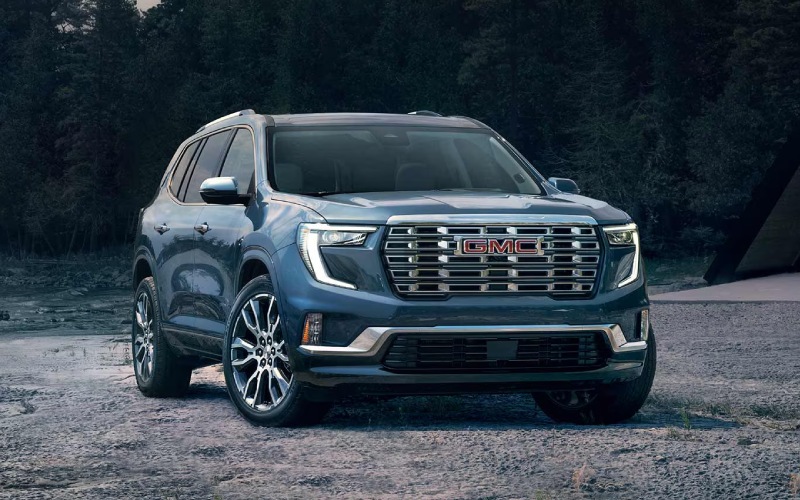
When families compare three-row SUVs, one question rises quickly to the top: which model takes the stress out of highway driving better? Around Fair Oaks, TX, that means handling I-10 stretches, crosswinds over overpasses, and steady-speed cruising to ball fields and Hill Country trailheads. In this deep dive, we look at hands-free and driver-assist technologies on the 2026 GMC Acadia and the 2026 Honda Pilot—what they do, what they don’t, and how they feel in everyday use.
The headline difference is clear: the Acadia offers available Super Cruise®, a hands-free driver assistance technology for compatible roads, while the Pilot relies on Honda Sensing® driver-assist features that support the driver but still require hands on the wheel. Both are designed to reduce workload, improve consistency, and enhance safety margins—but they approach the job differently, and those differences matter when you log regular highway miles.
What Super Cruise® Changes On Your Commute
Super Cruise® combines precision mapping, attentive camera monitoring, and adaptive speed and steering controls to enable hands-free driving on compatible roads. On longer Fair Oaks commutes, that means your hands can rest while the system manages lane centering and speed in flowing traffic. Importantly, it monitors your attention and prompts you to re-engage if needed, preserving the driver-first safety loop. On extended runs toward Kerr County or quick hops toward Loop 1604, the repeatable, calm behavior of Super Cruise® helps reduce fatigue—the kind that builds after 45 minutes of steady cruising, lane tracking, and micro-corrections.
In the 2026 GMC Acadia Denali Ultimate, Super Cruise® is part of a thoughtful suite that also includes massaging front seats and an available Bose 16-Speaker Performance Series audio system. Together, they transform highway stretches into a comfortable, low-stress environment, where you arrive with more energy and less tension in your shoulders.
How Honda Sensing® Supports You
Honda Sensing® in the Pilot brings together features like Adaptive Cruise Control with Low-Speed Follow, Lane Keeping Assist, Road Departure Mitigation, and the Collision Mitigation Braking System™. It’s a robust set of tools that can automatically maintain speed gaps, nudge the SUV back to center in a detected lane, and help apply braking in certain situations. The Pilot doesn’t enable hands-free operation; rather, it assists actively while you steer. For some drivers, that direct involvement is a plus—there’s constant situational awareness, and the Pilot’s calibrated steering nudges are easy to anticipate after a brief learning curve.
Where the Pilot truly adds confidence is in its camera tech at low speeds. TrailSport and higher trims include a Multiview Camera System with TrailWatch™, which shines during parking maneuvers, tight trail approaches, or angling into a tricky boat ramp.
Hands-Free vs. Hands-On: Who Benefits More?
If your weekly rhythm includes long stints on I-10, US-87, or TX-46, the advantages of hands-free capability compound. Fewer steering corrections accumulate into lower fatigue. A calm, consistent lane-keeping profile minimizes the “pinball” sensation found in some systems. And on hot afternoons with crosswinds, the confidence of a system proven on compatible highways helps you settle in. For families prioritizing these benefits, the Acadia’s approach is a clear win.
If your driving skews toward short in-town hops, school queues, and neighborhood speeds, you’ll still appreciate the Acadia’s refinement—but you might weigh other features more heavily. Here, the Pilot’s well-designed cabin, thoughtful cargo solutions, and accessible tech stack make a strong argument. Ultimately, both SUVs deliver credible safety support; the distinction is the Acadia’s added layer of hands-free operation when conditions allow.
Feature Rundown: What To Check On Your Test Drive
- Highway behavior: Evaluate how consistently the SUV centers in the lane, manages curves, and maintains a smooth speed profile.
- Driver monitoring: Observe how the system ensures you remain attentive without issuing unnecessary alerts.
- Camera coverage: Test front, side, and rear views in low-speed scenarios like angled parking or trailhead turnarounds.
- Ride quietness: Listen for wind and road noise at 70 mph—fatigue often begins with persistent cabin noise.
- Seat support: Assess thigh support, lumbar shape, and available massage to see how you feel after 30 minutes.
On the Acadia, you’ll find that Super Cruise® pairs naturally with premium seating and a calming cabin. On the Pilot, you’ll notice the polish of Honda Sensing® and, on higher trims, the clarity of its Multiview Camera System and the helpfulness of a Head-Up Display.
Technology Beyond Driving: Comfort And Clarity
Highway tech is center stage here, but comfort technologies shape the backdrop. In the Acadia Denali Ultimate, massaging front seats provide small, beneficial adjustments that keep muscles fresh. The available Bose 16-Speaker Performance Series audio system balances low-end presence with crisp treble, maintaining clarity at family-friendly volumes. The panoramic sunroof brightens the cabin without glare, and available camera views simplify daily maneuvering.
In the Pilot, Touring and above bring a Bose premium sound system and a Head-Up Display appears on Elite and Black Edition—both confidence builders that keep your eyes forward and reduce distraction. Honda’s Google built-in ecosystem, wireless Apple CarPlay® and Android Auto™ compatibility, and CabinTalk® make day-to-day convenience straightforward.
Who Should Choose Which?
Pick the Acadia if you want the modern ease of hands-free capability on compatible highways, upscale comfort that reduces end-of-day fatigue, and an options list that reads like a luxury SUV’s—especially in Denali Ultimate. Choose the Pilot if you prefer an always-hands-on approach with strong driver-assist support, plus a feature mix that emphasizes interior flexibility and straightforward tech integration. Both tow up to 5,000 pounds when properly equipped and offer off-road-oriented trims—AT4 for Acadia, TrailSport for Pilot—so you won’t give up weekend versatility either way.
Frequently Asked Questions:
Does the Pilot offer a hands-free driving feature like Super Cruise®?
No. The Pilot’s Honda Sensing® suite is comprehensive but requires hands on the wheel. The Acadia offers available Super Cruise® for hands-free driving on compatible roads.
Is hands-free worth it if I mostly drive locally around Fair Oaks?
If your routes include frequent short trips, you’ll still benefit most from comfort and parking tech. The Acadia remains appealing for its quiet cabin and premium features, but hands-free shines most on longer highway stints.
Do both SUVs include robust camera systems?
Yes. The Acadia offers advanced camera views, and the Pilot provides a Multiview Camera System with TrailWatch™ on TrailSport and above to help with low-speed maneuvering.
When you are ready to compare these systems in real conditions, schedule a drive with Ancira Buick GMC—serving Laredo, Boerne, and Fair Oaks—so you can feel the differences where it matters most: your daily roads.
0 comment(s) so far on Which SUV Has the Better Hands-Free Highway Tech for Fair Oaks, TX?